
Shabbat Shopping at Shuk Mahane Yehuda
On August 12, 2010 by Liz TagamiAh, Friday. After an aggressive schedule all week I was grateful for a late start and a half day of trend shopping on the agenda. Friday is, after all, the seventh day in the Jewish week, and by sunset it would be Shabbat. Friday was a perfect day to observe a significant number of shoppers (on a deadline) amongst abundant displays. It would be sort of like the day before Thanksgiving in America. Our plan was to visit the big outdoor market and at least one good grocery store. Moshe and I had a quick breakfast at the Inbal’s buffet and then grabbed a taxi for The Shuk.
Shuk: a new word for me. Shuk, just like souk, souq, sooq, suk, and suq. Market. Historically, these traditional Mediterranean markets were held on the outer limits of a city where caravans had room to stop and let merchants display their wares. As cities grew and trade routes became well established the need for permanent places gave rise to central markets. Shuk Mahane Yehuda is an outgrowth of a late 19th century neighborhood when a Sephardic Jewish family started a small Shuk and Arab merchants and farmers sold their goods. It evolved through the Ottoman period and in the 1920s the British cleared the space and built permanent stalls and added roofing. As far as being central, it even has a stop on the new Jerusalem Light Rail (Line 1). For a cool map and a local perspective, check out Shmuel Browns’ WordPress article.
The cab rolled to a stop on Agrippas Street, Moshe peeled off a few shekels for the driver, and we started walking. Foot traffic was heavy and so were transactions — but this was only the beginning. We turned right and suddenly the road widened into a pedestrian only area and the place was hopping!
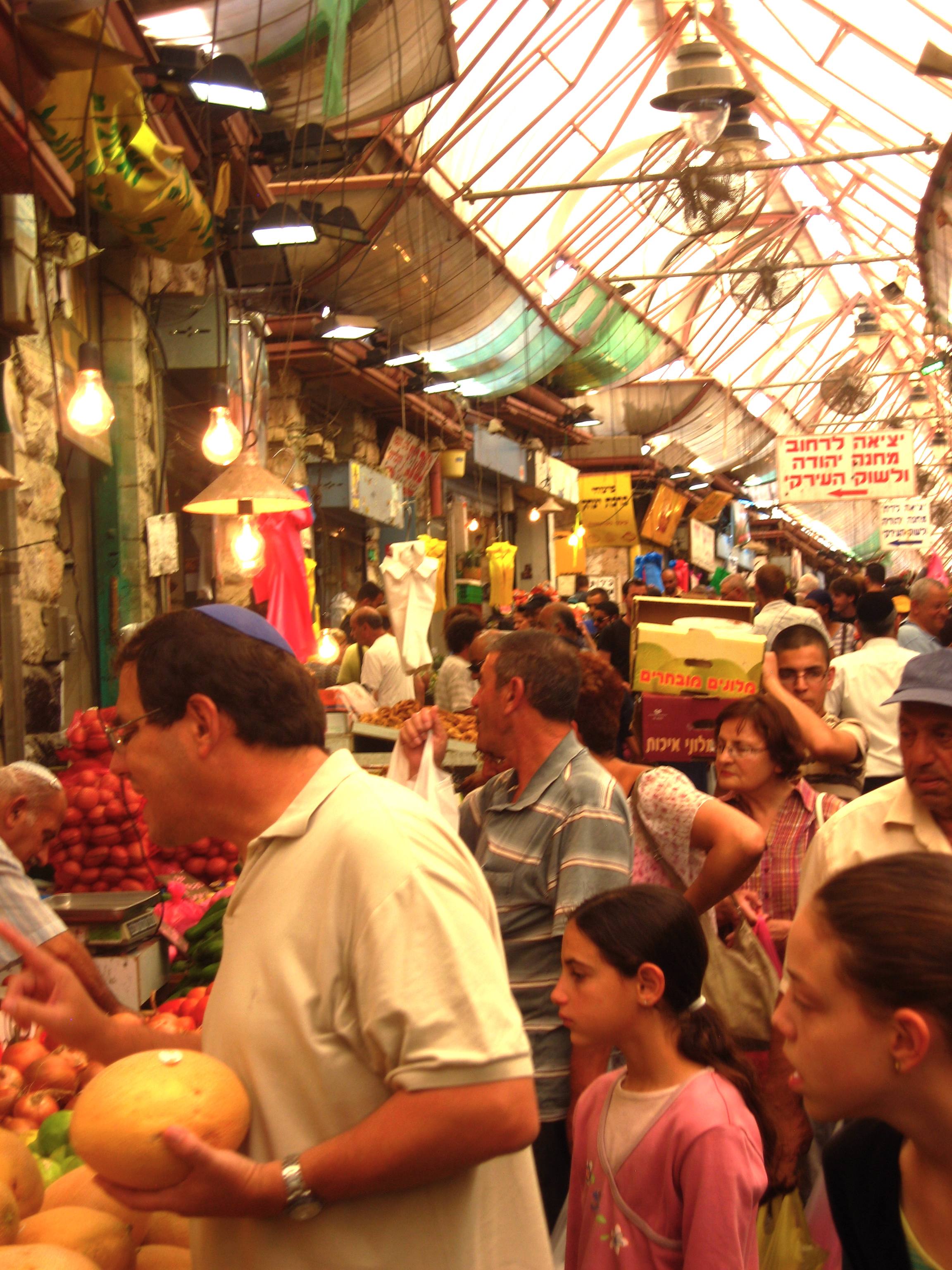
First Impression: Shuk Mahane Yehuda (Tagami)
We were greeted by an abundance of fresh local fruit, and I was amazed at both the quality and selection. There were the expected fruits: apples, grapes, peaches, nectarines, pears and melons — and then there were the unexpected fruits: dragon fruit, pineapple, lychee, prickly pear. Vendors were friendly and engaging, and in a tremendous nod to a tradition that seems utterly universal, sang out their wares! I’ve been to similar markets throughout Asia and Europe and I never tire of hearing the merchants call, and almost never refuse to taste and complement them on their goods.
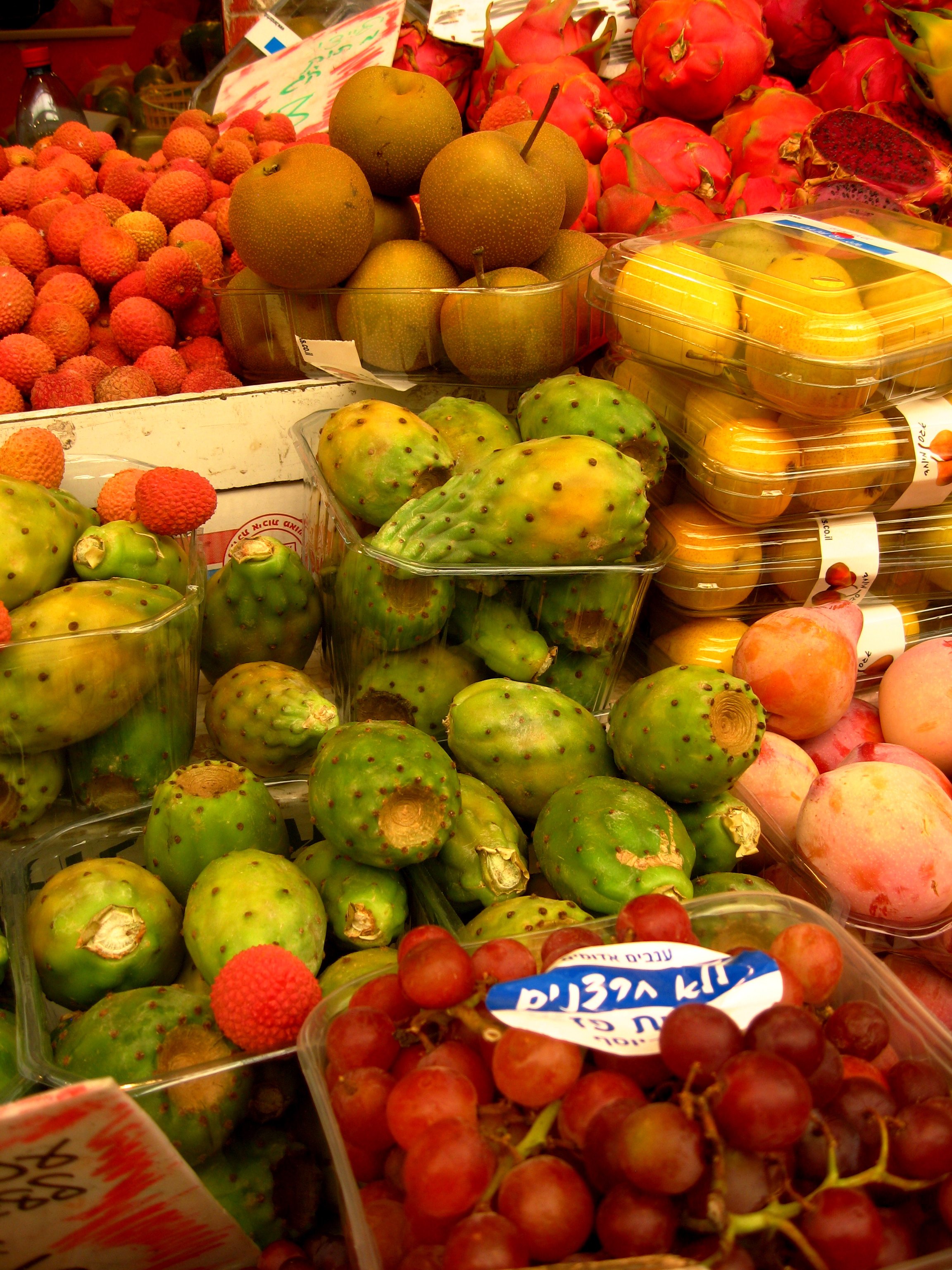
Prickly Pear aka Sabra with Lychee and Dragon Fruit in background (Tagami)
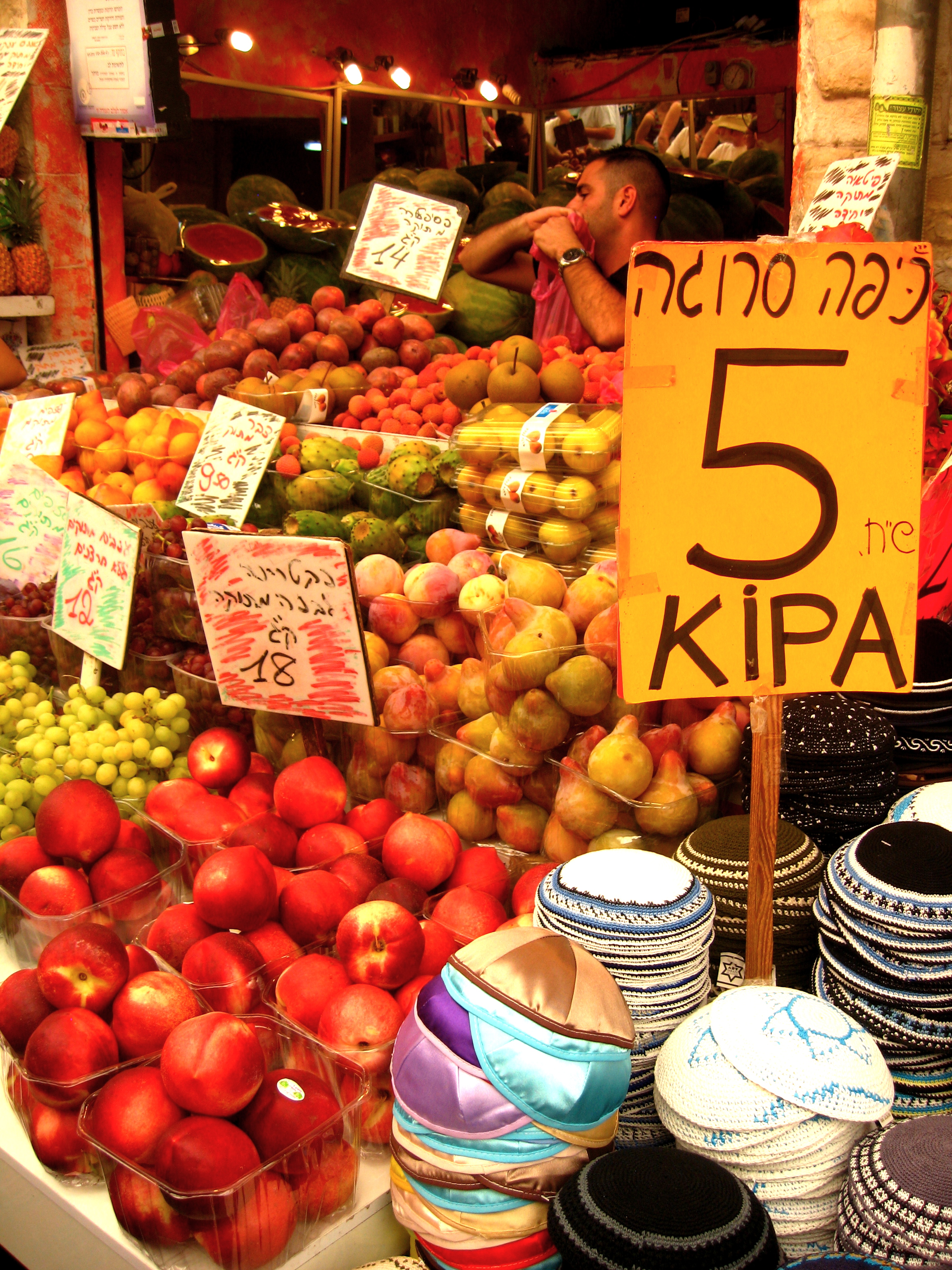
The Kipa (Yarmulke) seller can be found next to the fruit seller (Tagami)
On the opposite side of this wide aisle was the orange juice man who was very friendly, and who had excellent orange juice, which he squeezed for me while I watched.
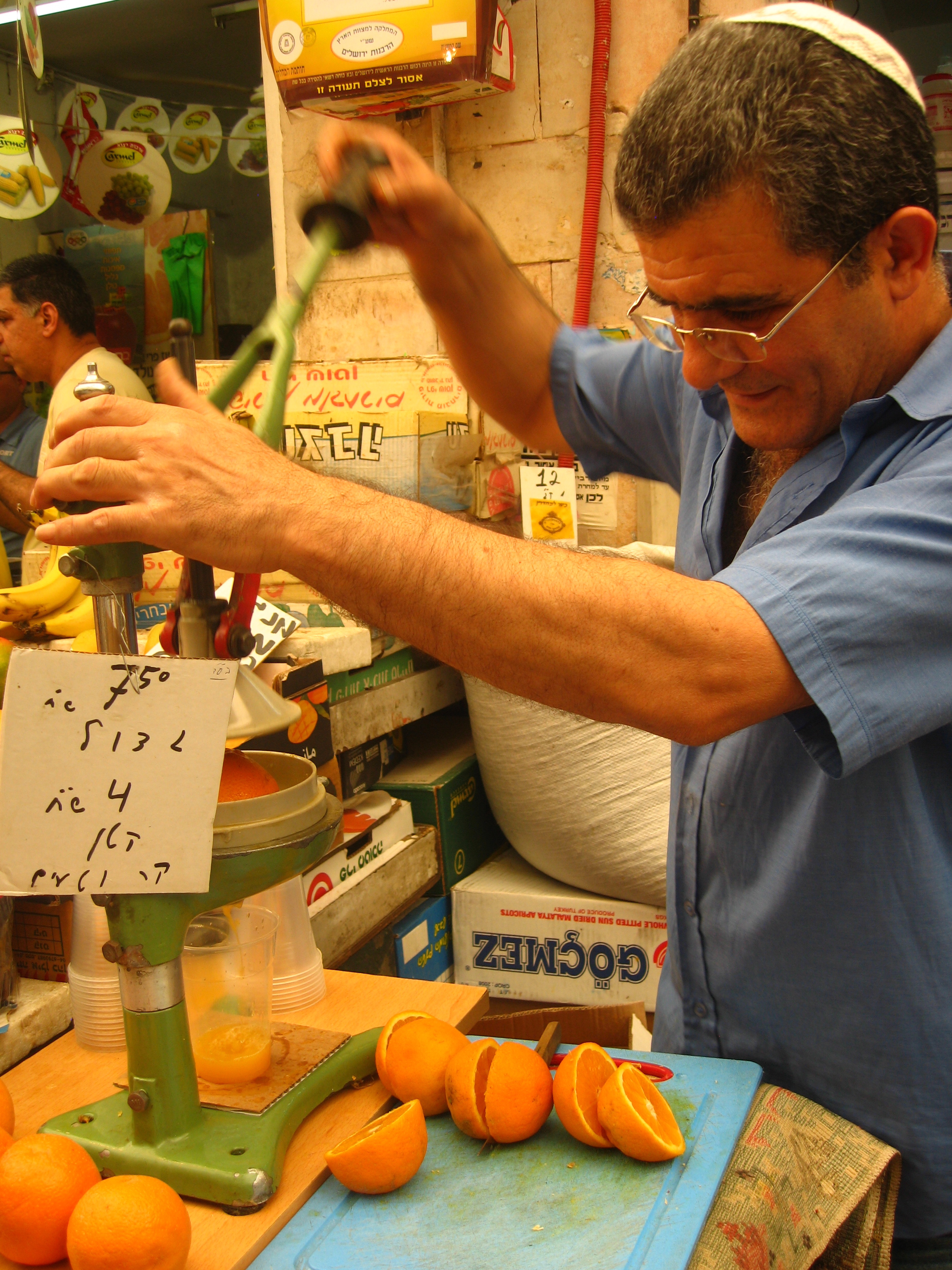
The Orange Juice Man: Good Stuff! (Tagami)
The Halwa Man (Halvah in the US) had the most amazing selection I’d seen anywhere, nearly 2 dozen types, and it was so fresh and moist! Many countries and cultures make a version of halwa; the Israeli version is sesame based with Tahini, sugar and flavorings. It is very likely parve, that is, it doesn’t contain any meat or milk products, so it can be eaten with either meat or milk within Kashrut (kosher dietary) laws. The dried fruit and nut vendor next store was impressive also.
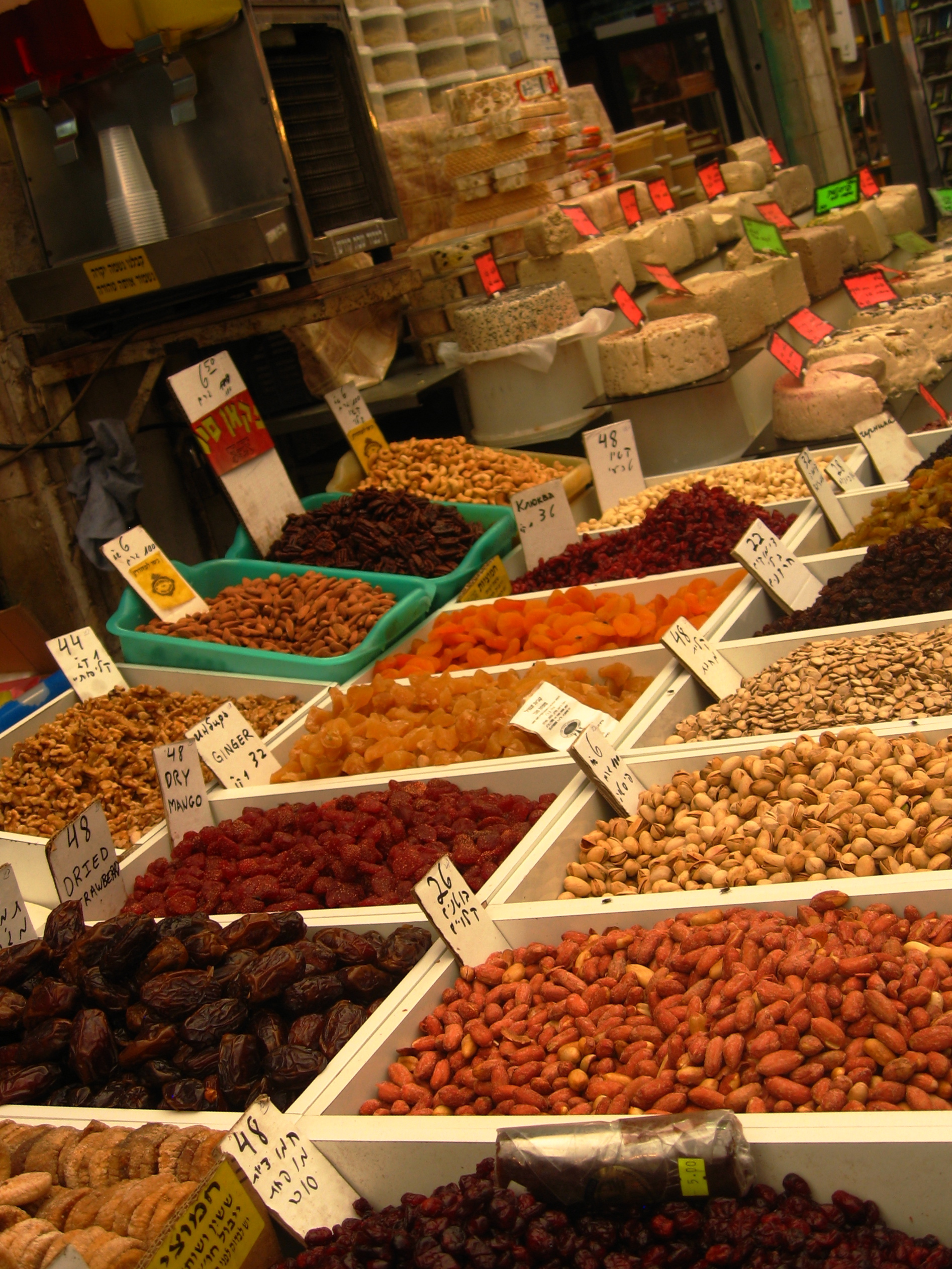
Dried Fruit & Nuts with Halwa nearby (Tagami
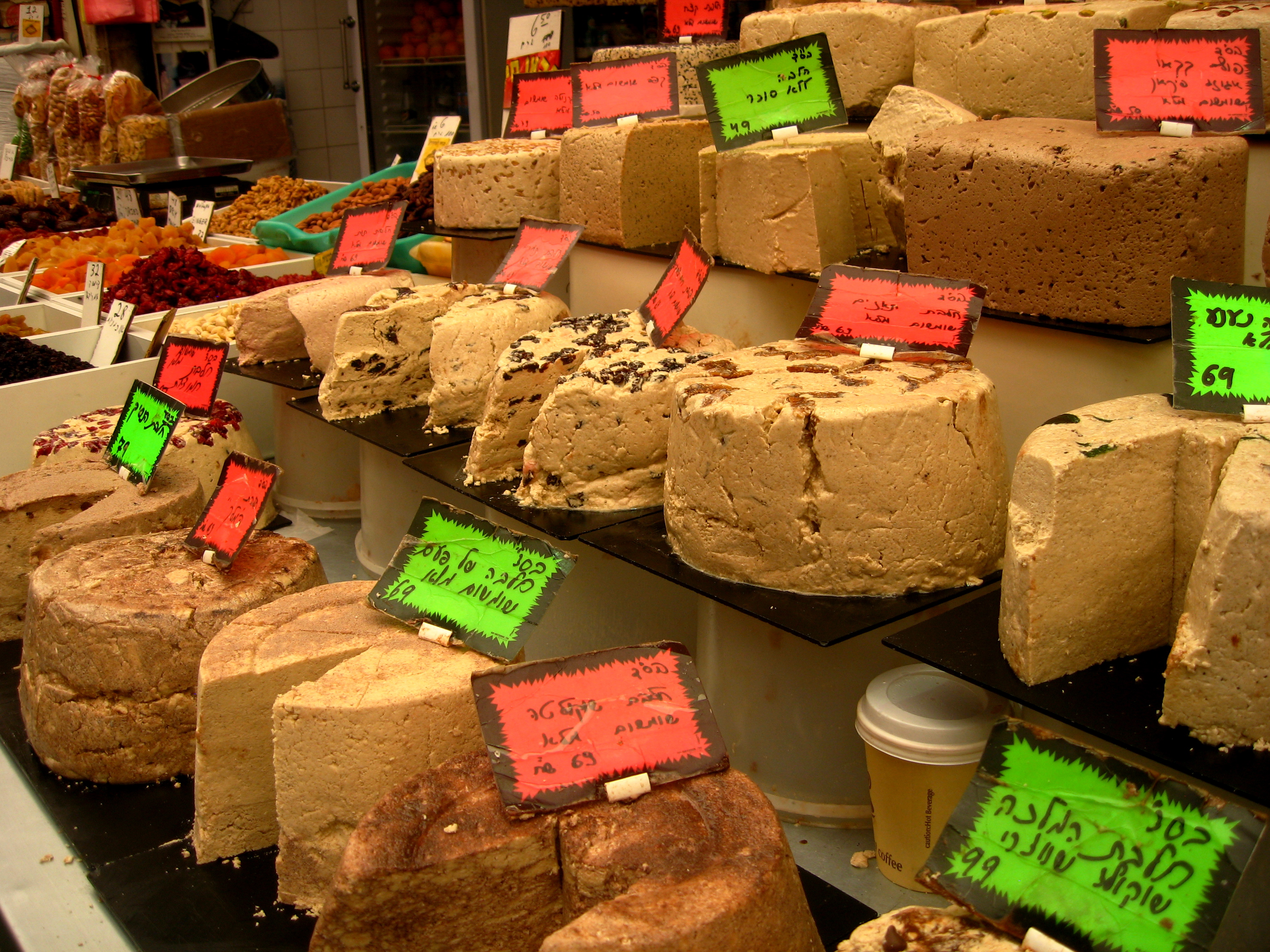
Impressive and varied selection of Halwa (Tagami)
I love to see the big bags of spices, which always seem fresh despite their great volume. Here are images from two competing vendors on either end of the Shuk. There were olive sellers and one olive oil stand who did business in both bulk and bottled. He was a trader and not a grower which seems like a marvelous opportunity for one of the local farms to have a stall here, or perhaps a specialty vendor who offered a selection of varietal and blended oils from various kibbutzim. From what I know of the quality and selection available, I’m confident that we’ll see such a development before too long.
There were six bakers here, and fresh bread and pastries, including Challah for the Shabbat dinner, were constantly being shuttled throughout the market.
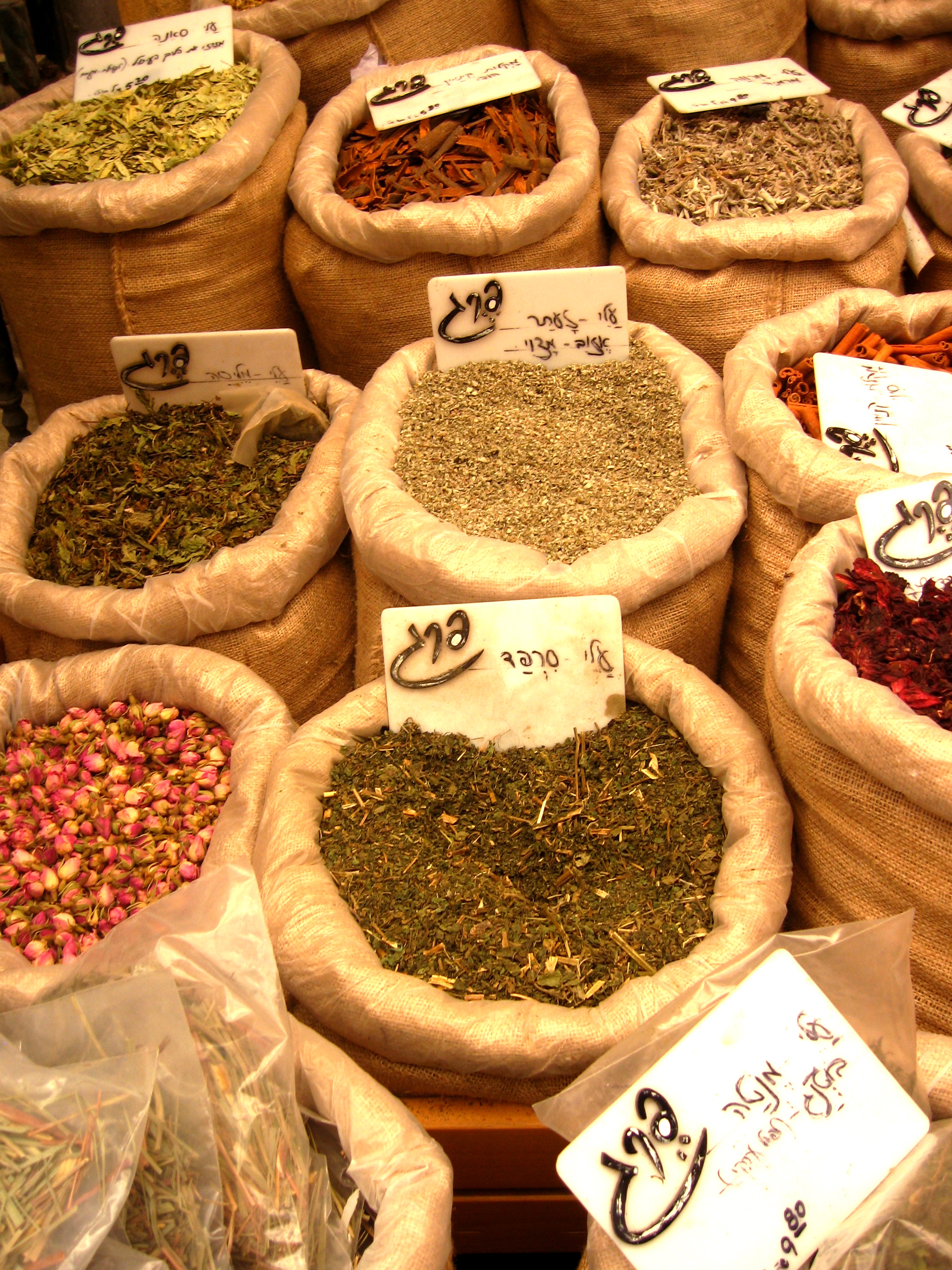
Spice Vendor (Tagami)
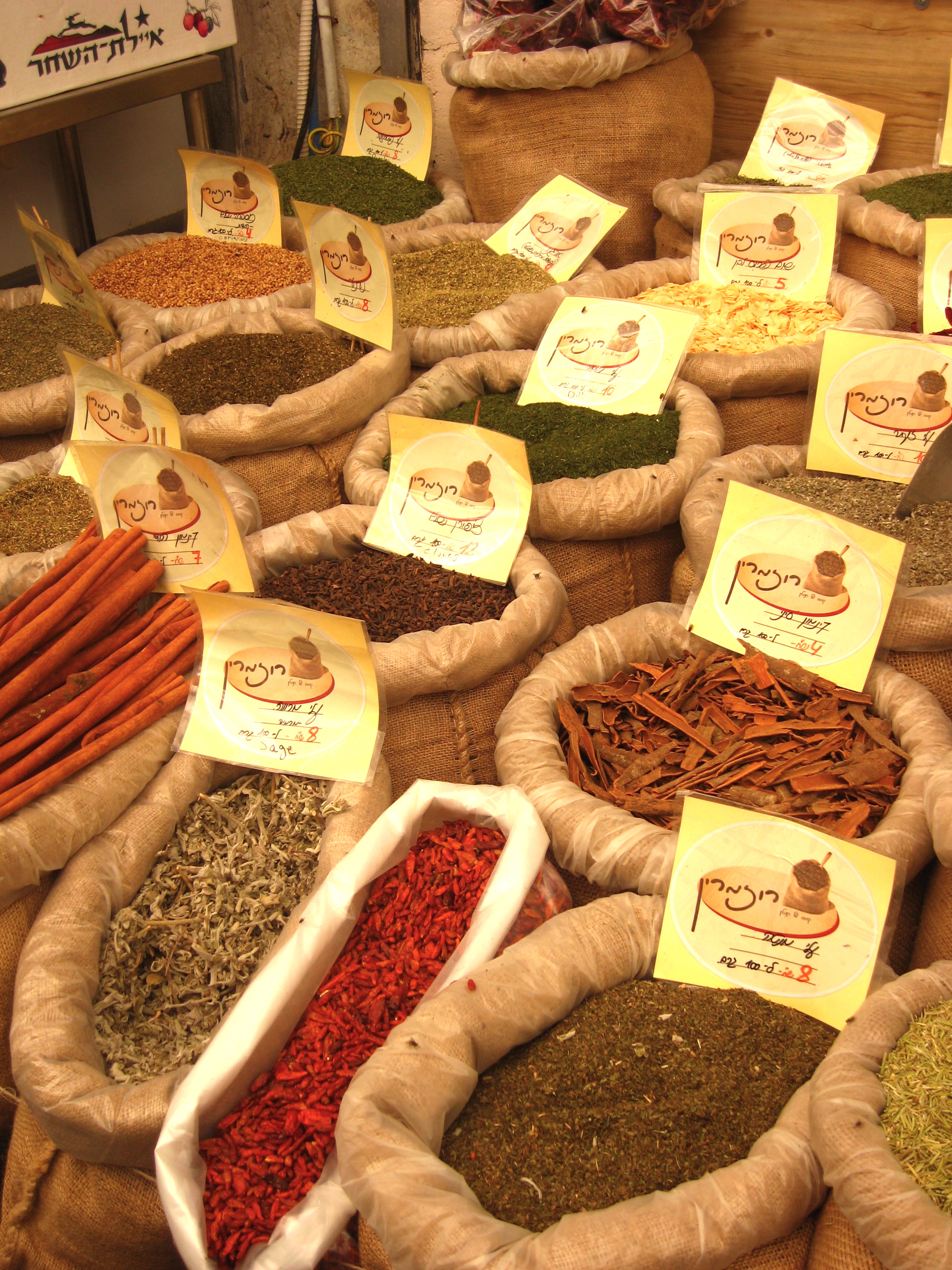
Spice Vendor at the Far end (Tagami)
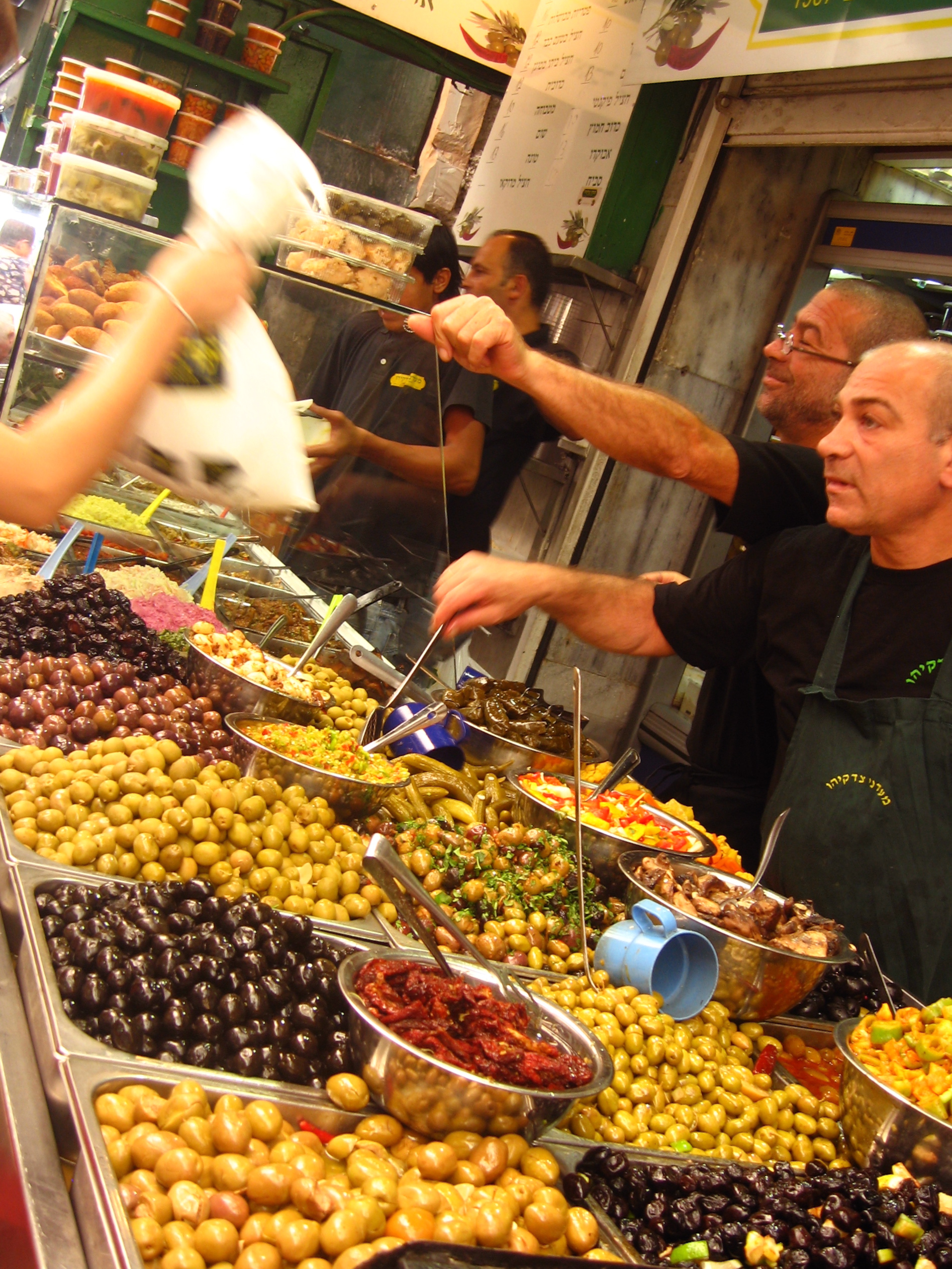
Olive Vendor (Tagami)
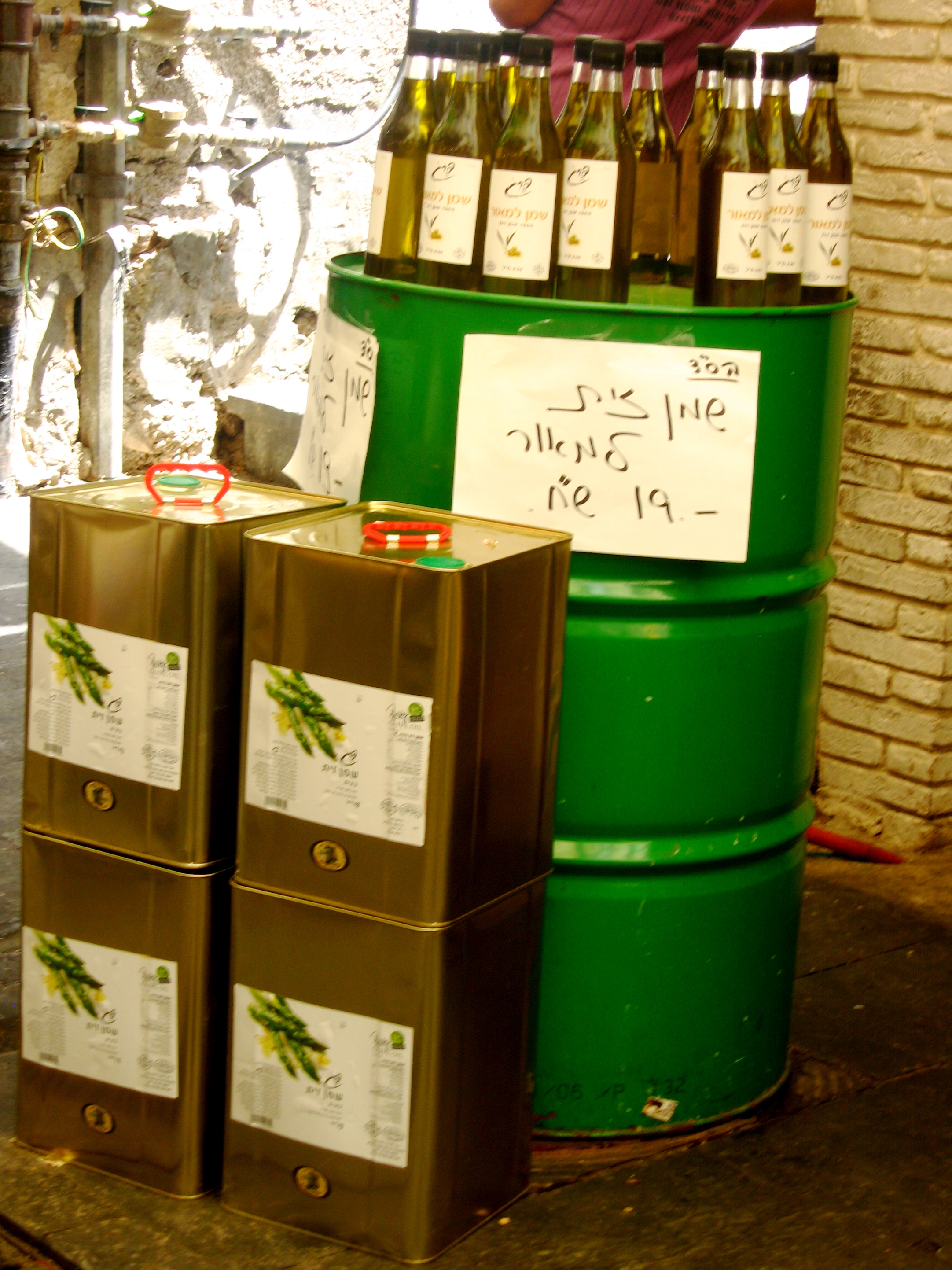
Olive OIl Guy (Tagami)
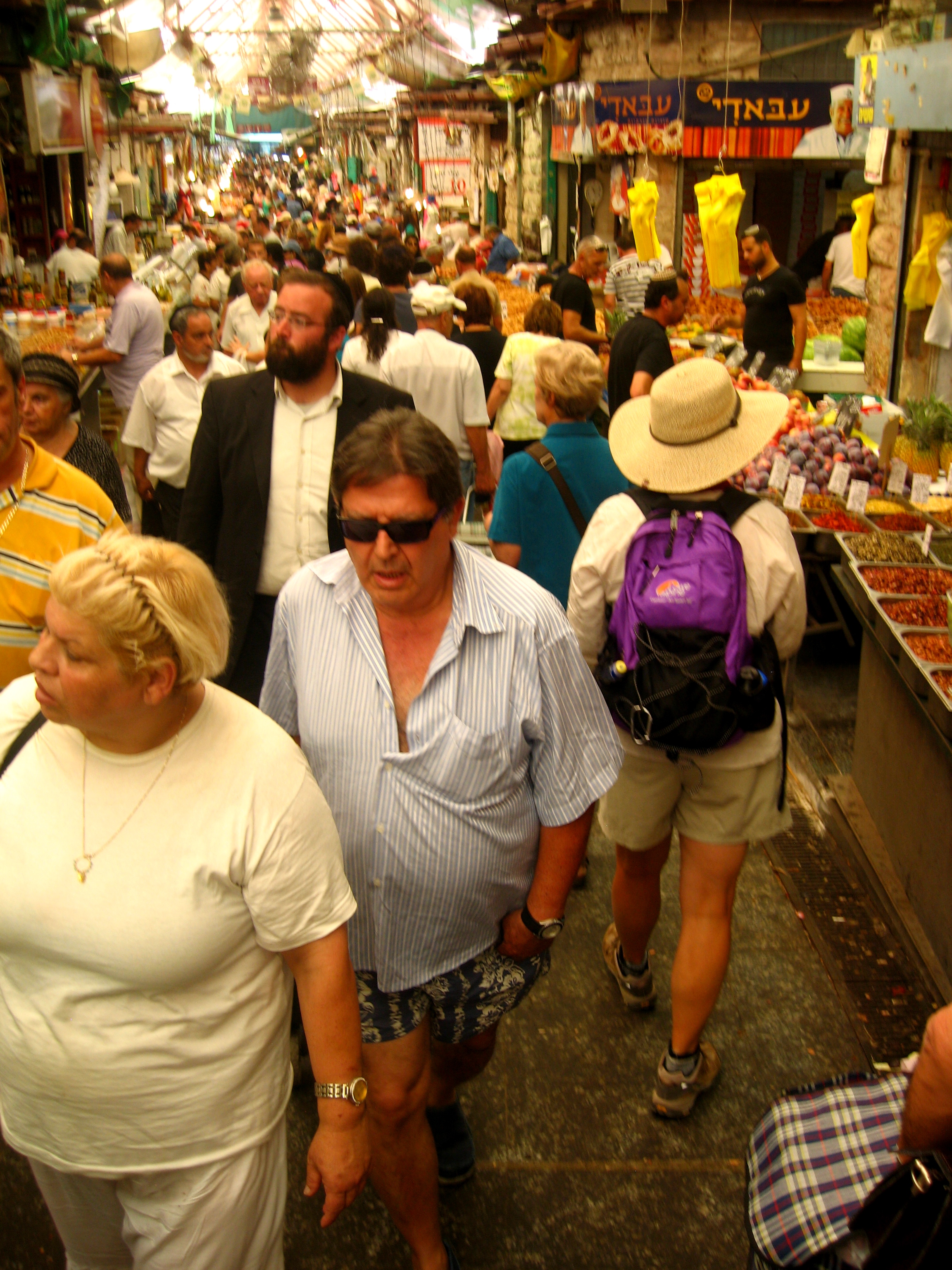
Top of the Shuk, looking back (Tagami)
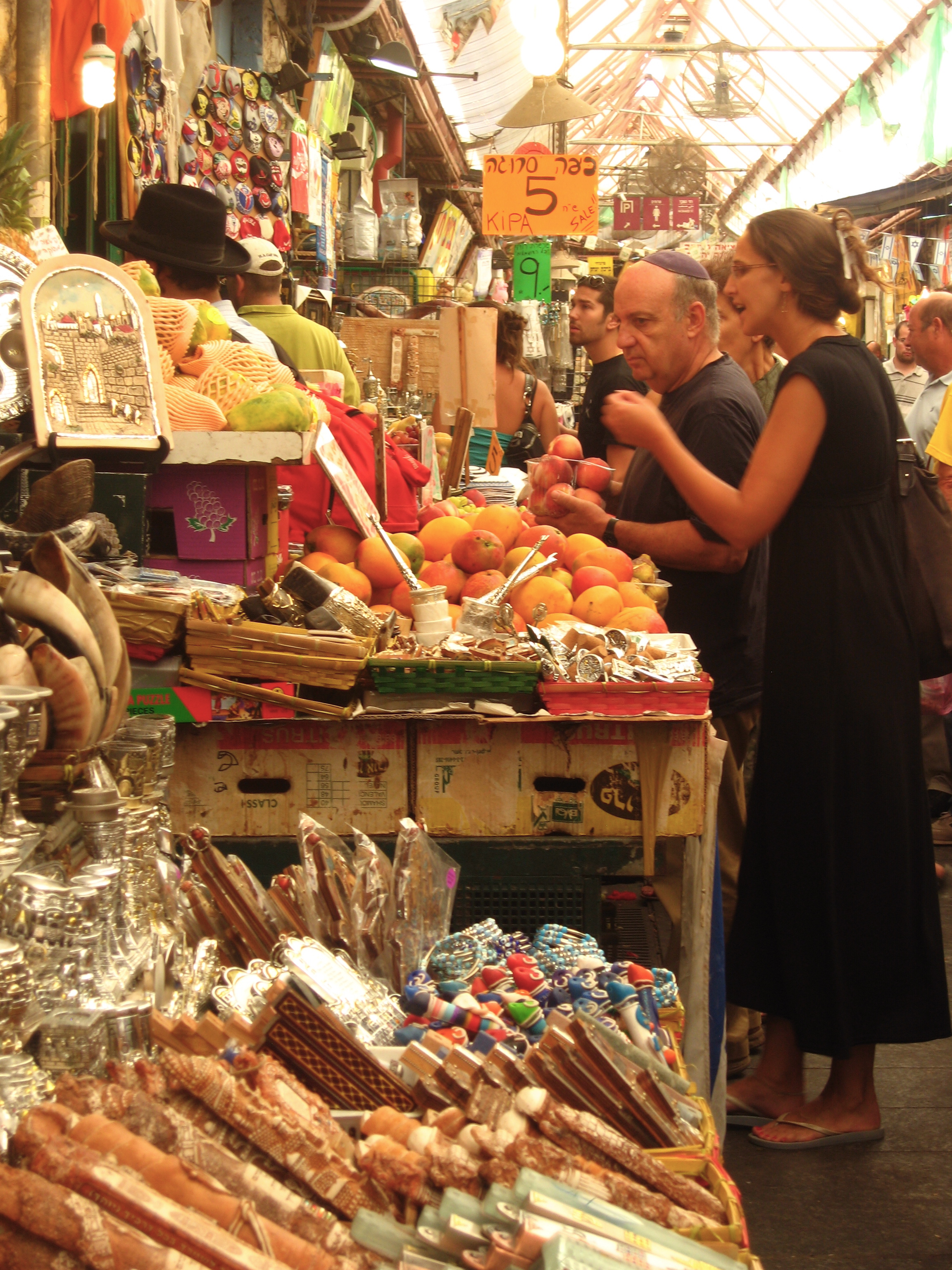
Buying Fruit. Foreground: Judaica (Tagami)
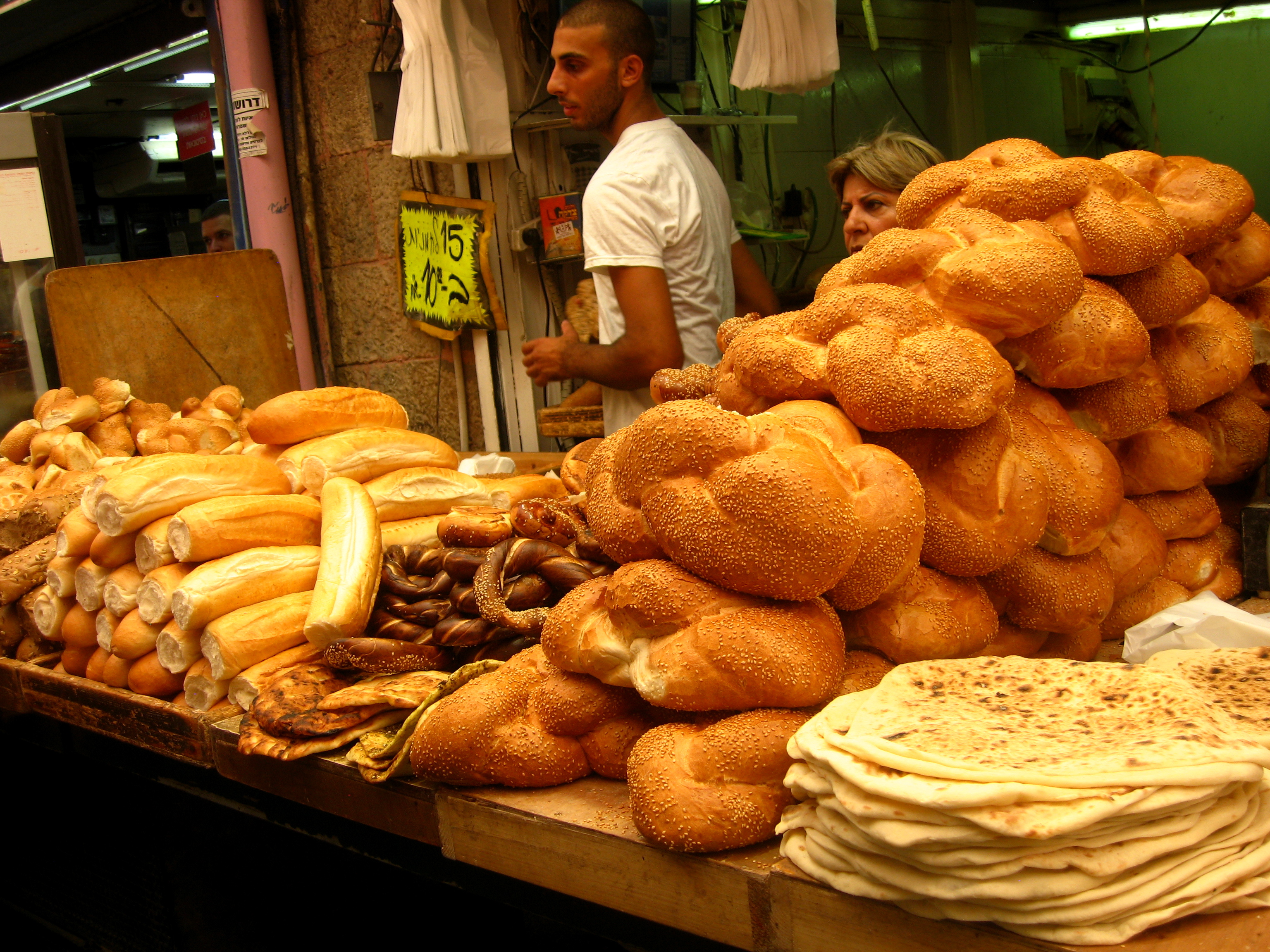
Bread Vendor (Tagami)
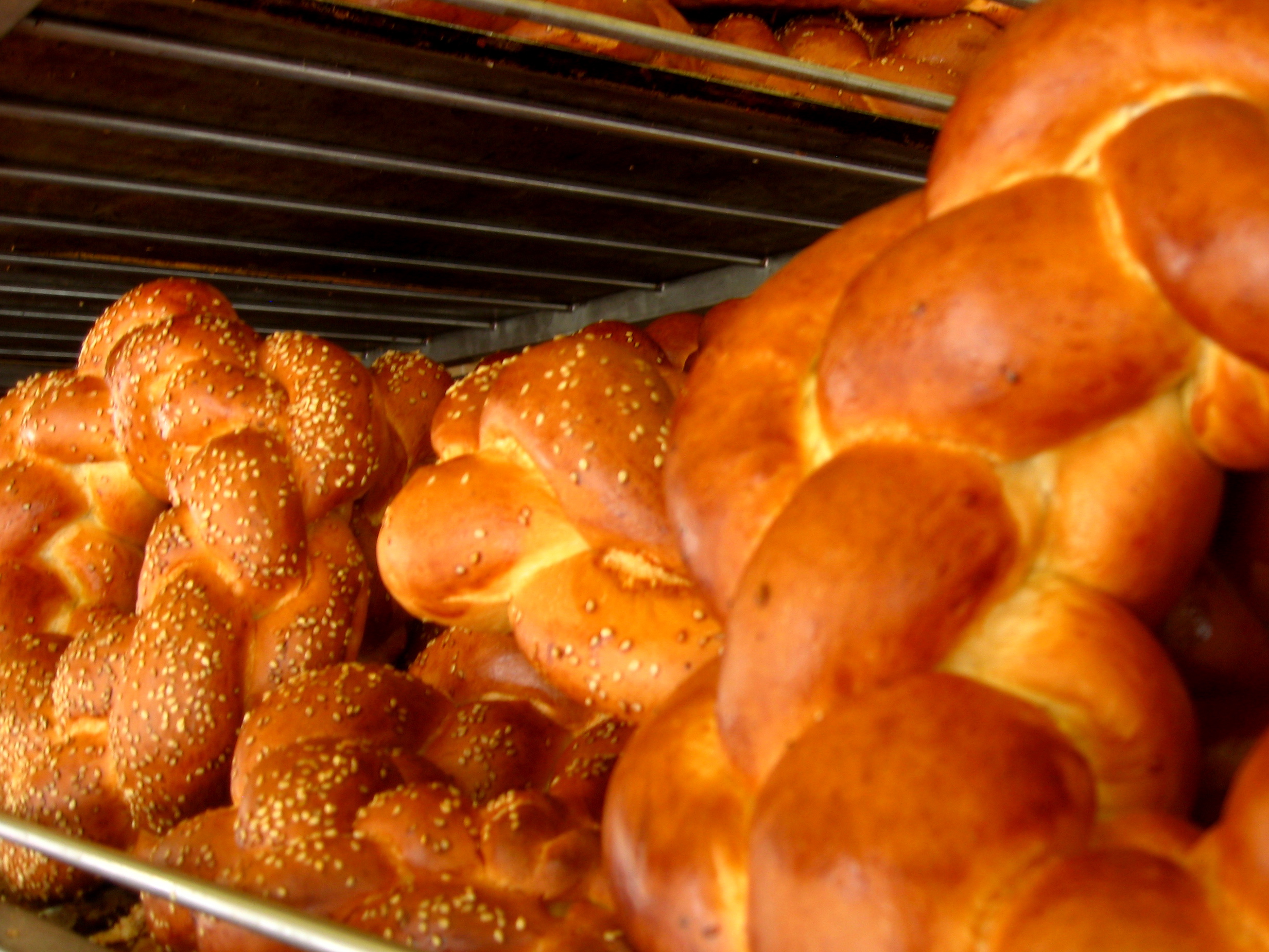
Challah for Shabbat (Tagami)
Shuk Mahane Yehuda has about 250 shops, including local and imported cheeses, fresh flowers, fresh organic hummus made daily, and a fish monger who makes his own smoked salmon. There was a lot to see, but we needed to move on to the next market. Moshe and I emerged from the covered walk onto Jaffa Road and turned left into a crowd of shoppers and rack of pastries, too tempting for this little boy to resist. Good Shabbos, indeed!
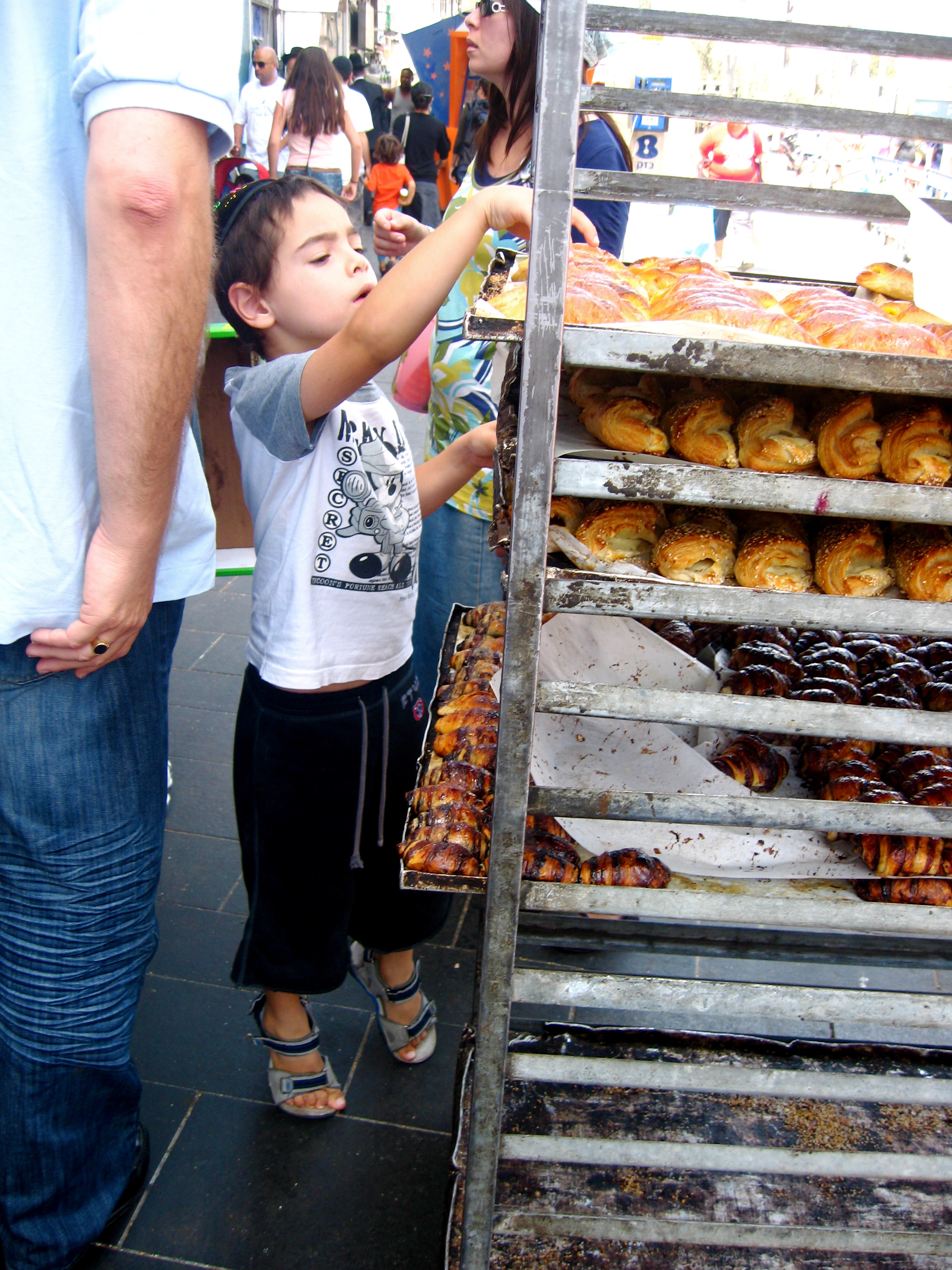
Good Shabbos! (Tagami)


Excellent! I wish I could be there someday
Goshhh….hope some day i can visit this fantastic market, i will be readyto live there!!
Enjoying your posts! Photos and your commentary of the market are wonderful!
Splendido! I knew you are a great writer but now I see you are also a great photographer
Thank your for sharing your experience!